

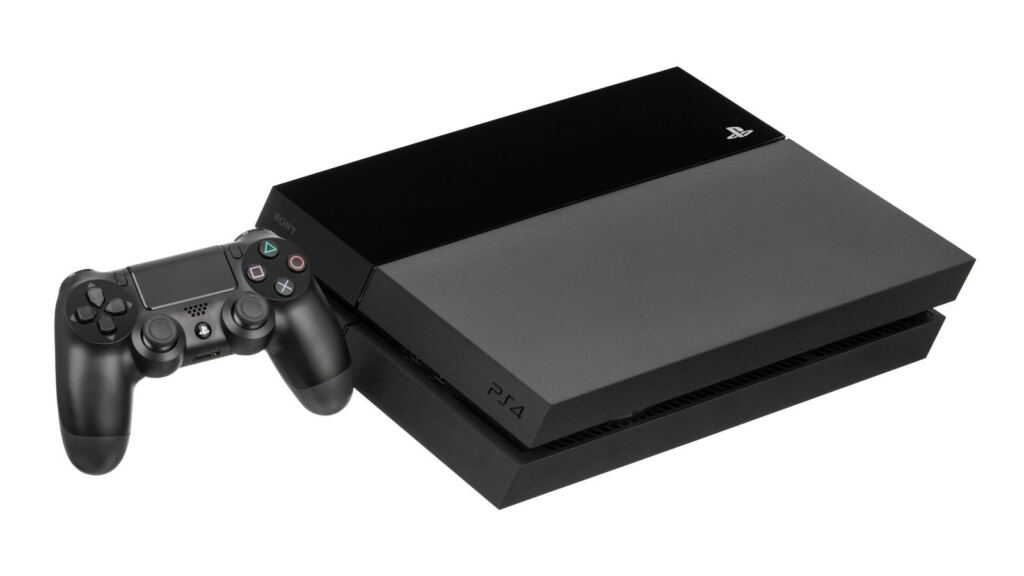
Not all games news is about trailers or pretty pixels, and this one shows well how politics can affect the price of our hobby. On August 13, 2019, Donald Trump’s administration, in the midst of a trade war with China, published a list of products that would stay out of the new 10% import tariff on Chinese goods until December 15. Video game consoles were on that list, alongside smartphones, laptops, monitors and some toys.
What stands out is the reason for the delay: according to the US government itself, the idea was not to weigh on consumers’ pockets during holiday shopping. For Sony, Microsoft and Nintendo, which manufactured a good part of their devices in China, it was a temporary relief, because after December 15 the charge would take effect.
The three manufacturers had already spoken out together in June 2019, in a letter sent to the United States government. In it, they said: “While we appreciate the U.S. government’s efforts to protect intellectual property and preserve leadership in cutting-edge technology, the disproportionate harm these tariffs cause to consumers and businesses will undermine, not advance, those goals.” You can see the size of the concern: it isn’t every day that the three rivals sign a text together.
What came next
The story had more twists. On August 23, Trump announced that the rate planned for December 15 would rise from 10% to 15%. But on December 13, 2019, two days before the deadline, the United States and China announced an initial agreement under which the new tariffs scheduled for December 15 would not be applied. The so-called phase one of the trade deal was signed in January 2020. In practice, consoles escaped the taxation planned for that year-end. A curious detail: the trade war stayed alive in the following years, and tariffs on Chinese products rose again in 2025, in Trump’s second term.
Source: Eurogamer.

 Capitão Pixel



Comments (0)
Be the first to comment.