

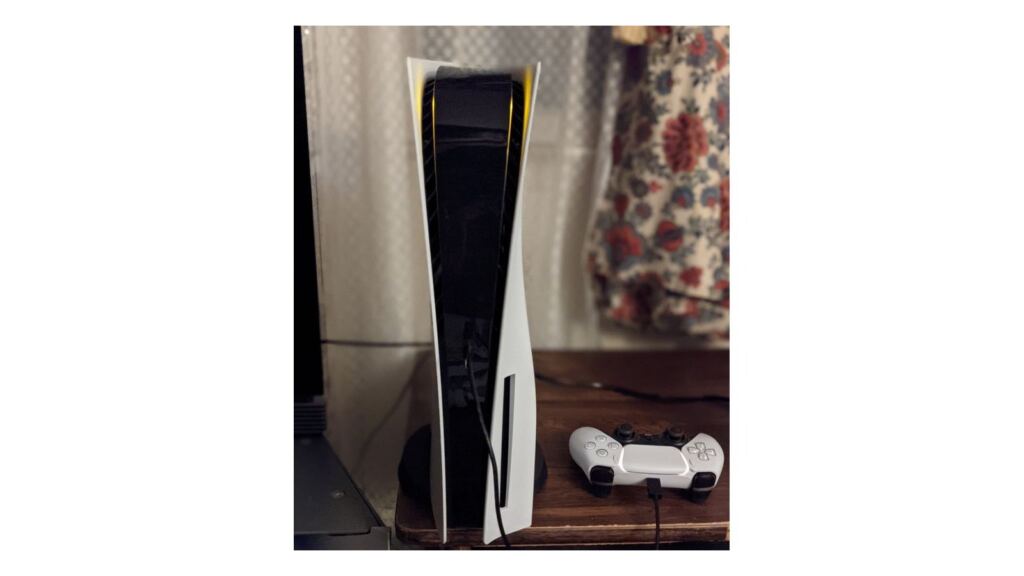
Come along, because this is the kind of news we needed to know before opening the console box: on November 5, 2020, Sony confirmed again that the PlayStation 5 would reach stores without allowing storage expansion with an SSD. The console already came with an internal M.2 slot designed for it, but it would be disabled at launch and only unlocked in a “future update”.
The PS5 debuted on November 12, 2020 in the United States, Japan and other markets, and a week later in the rest of the world, with an 825 GB SSD. At the time, many people speculated how much of that space would be free for games; in practice, it is 667 GB. On a console where new games are pretty hefty, that math weighed on the gamer heart.
Sony was repeating what system architect Mark Cerny had already explained: not just any SSD would do. Compatible models would have to deliver more than 5.5 GB/s of bandwidth on a fourth-generation PCIe connection, among other requirements, and according to The Verge, the compatibility testing program hadn’t even started.
What worked from day one was external storage via USB, with an important difference: PlayStation 4 games ran directly from the external drive, but PS5 games could only be stored on it and had to be transferred to the internal SSD to be played.
What came next
The wait lasted almost a year. After a public beta, Sony enabled the use of M.2 SSDs in a system update in September 2021. The slot accepts NVMe drives of up to 8 TB, and PCIe 3.0 or earlier SSDs do not work. USB external drives accept up to 8 TB, with the same rule as before: PS5 games only run from internal storage or the M.2 SSD. What a relief for those who kept deleting one game to install another, right?
Where to buy
Source: Sony, via Eurogamer.

 Lady Combo



Comments (0)
Be the first to comment.