

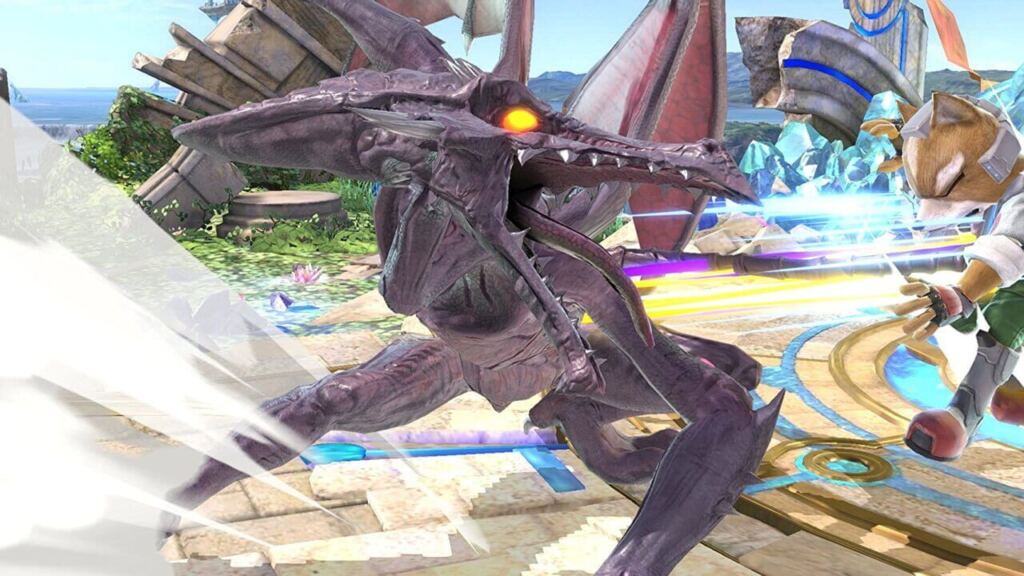
In a fighting game, what separates a good online match from a frustrating one is the connection. Nintendo knew that when, in early November 2018, a month before the launch of Super Smash Bros. Ultimate on Nintendo Switch, scheduled for December 7, it detailed how the game would pick online opponents.
Matchmaking relied on three criteria:
- Preference rules: format, rules, time, stage and items could be set and saved beforehand, and the game would try to group players who chose similar rules.
- Global Smash Power (GSP): a score that compares each player with all the others in the world, to put people of similar level face to face.
- Proximity: players from the same region get priority, because distance affects match stability.
For those who took competitive play seriously, the recommendation was direct: play with a network cable. The Switch has no Ethernet port of its own, so a USB LAN adapter was needed, sold separately, official or third-party. Online play also required a Nintendo Switch Online subscription, the paid service launched on September 18, 2018.
What came next
Ultimate arrived with 74 fighters, all 63 from previous games plus 11 newcomers, and received a 93 on Metacritic. The online, however, was the most criticized point: many players reported lag in matches even when using a cable. There were also complaints from people who landed in matches with rules different from the ones they chose.
None of that stopped the game from growing. The last fighter, Sora from Kingdom Hearts, arrived in October 2021, and by March 31, 2025 Ultimate had 36.24 million copies, the best-selling fighting game in history, ahead of Street Fighter II. To train online in peace, the 2018 advice still holds: cable first.
Source: Eurogamer / Nintendo.
 Sapo
Comments (0)
Be the first to comment.