

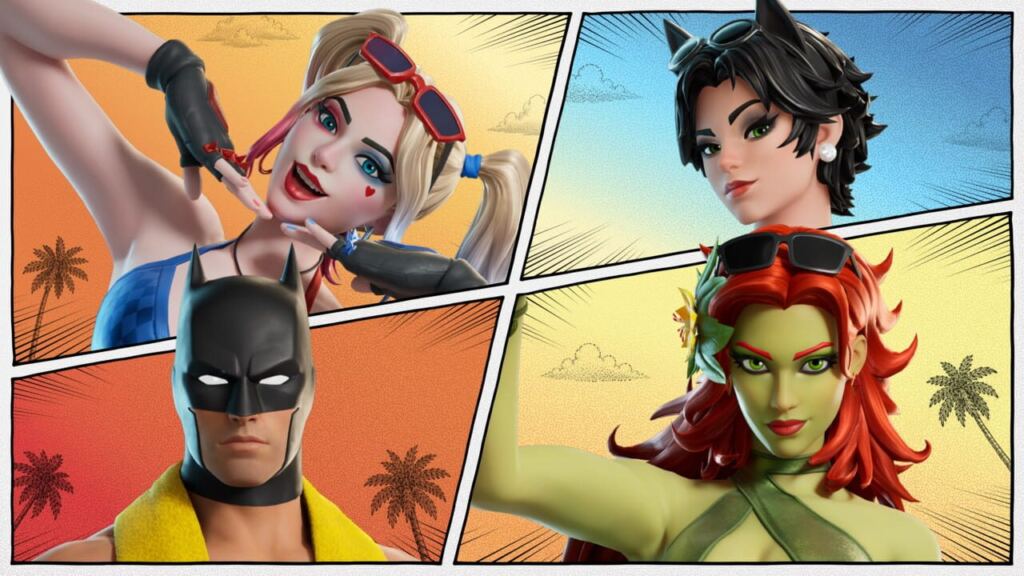
Anyone who lived through the video rental store era remembers the lines to play the week’s big new game on the shop’s only console. In 2018, the line was different: millions of people at once inside Fortnite. In November that year, Epic Games announced that the Battle Royale mode had hit a peak of 8.3 million concurrent players, the game’s new record.
To get an idea of the jump, the previous record, from February 2018, was 3.4 million people connected at the same time. The new peak coincided with the game’s arrival in South Korea’s PC bangs, the famous Korean internet cafés, cousins of the ones that filled Brazil’s street corners in the 2000s. In the same month, Fortnite passed 200 million registered accounts.
The trajectory was fast. Battle Royale debuted on September 26, 2017 on PC, PlayStation 4 and Xbox One, free to play, and had more than 10 million players in its first two weeks. In 2018, it came to iOS in April, Nintendo Switch in June and Android in August, becoming available on practically every platform of the generation, always for free, with revenue coming from the cosmetic item shop and the battle pass. By June that year, there were already 125 million players.
What came next
The craze kept going. At the 2019 Game Developers Conference, Epic announced 250 million players, and by May 2020 there were more than 350 million registered accounts. Fortnite also became a stage: DJ Marshmello’s in-game show in February 2019 drew more than 10 million players, and Travis Scott’s in April 2020 had millions of live viewers.
Not everything was a party. In August 2020, the game was pulled from the App Store after Epic got into a legal dispute with Apple, and it only returned to the US iPhone store in May 2025. Even so, the game grossed about 9 billion dollars through December 2019, something not even the most optimistic video rental store owner would have imagined.
 Zé Cartucho

Comments (0)
Be the first to comment.