

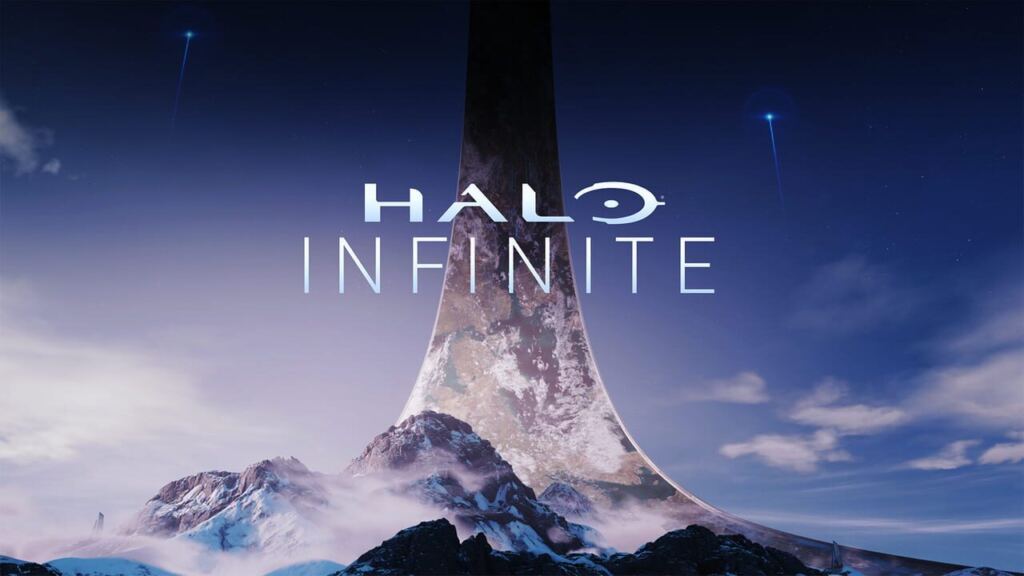
Anyone who has followed Halo since Combat Evolved, back on the first Xbox, knows the series was always pure shooter: shield, grenade, melee and little frills. That is why a job listing posted in December 2018 made the community raise an eyebrow.
Halo Infinite had been revealed at E3 2018 with a beautiful trailer running entirely on the game engine, the new Slipspace Engine, built specifically for the series. Months later, 343 Industries, the studio in charge, opened a position for a systems designer with RPG knowledge. The description asked for more than seven years of experience in AAA games and familiarity with RPG and shooter mechanics.
The conclusion seemed natural: 343 wanted to put RPG elements in Halo. The question left hanging at the time was how. An expanded armor ability system? Upgrades for Master Chief’s Mjolnir armor? Check out the E3 2018 trailer:

What came next
The road was long, like the days when we waited for the magazine to reach the newsstand. The July 2020 gameplay demo was poorly received, and the game, which was going to launch alongside the Xbox Series X, was delayed. In October 2020, director Chris Lee left the project. The multiplayer came first, free, in an open beta, on November 15, 2021, on the franchise’s 20th anniversary, and the campaign came out on December 8, 2021.
And the job listing hit the mark. The campaign brought a semi-open world on Zeta Halo and an RPG-like progression system: 45 Spartan Cores scattered across the map are used to upgrade the Mjolnir armor’s equipment, such as the Grappleshot, the shield, the threat sensor, the drop wall and the thruster. Critics liked it, with scores of 87 on Xbox Series X|S and 80 on PC on Metacritic. In October 2024, 343 Industries was renamed Halo Studios, swapping Slipspace for Unreal Engine 5 in future projects.
Source: Eurogamer.
 Zé Cartucho

Comments (0)
Be the first to comment.